
Understanding the psychology behind high-stakes gambling in casinos
The Thrill of Risk
High-stakes gambling is often equated with adrenaline. The rush of placing large bets can trigger a dopamine response in the brain, leading to feelings of excitement and euphoria. This thrill is a key factor that draws many individuals to high-stakes environments. In their search for excitement, players may also consider football betting sites, which offer unique challenges and experiences. Gamblers often seek out these high-pressure scenarios as a way to escape mundane realities and experience heightened emotions.
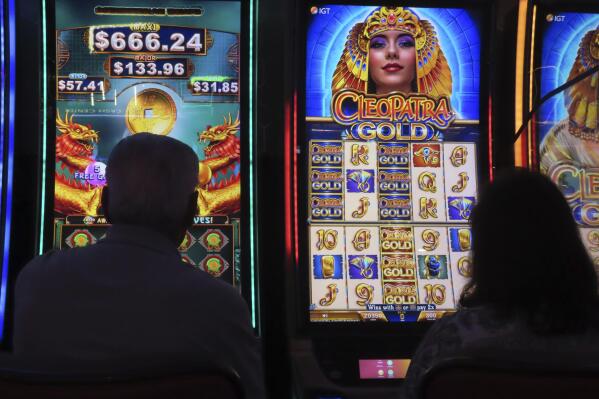
The psychological allure of risk is also deeply rooted in human nature. The fear of loss, coupled with the possibility of significant gain, creates a potent mix that can be intoxicating. For some, the very act of risking substantial amounts of money serves as a challenge, fueling a competitive spirit that propels them deeper into the gambling world.
The Role of Cognitive Biases
Cognitive biases play a crucial role in how high-stakes gamblers perceive their chances of winning. Gamblers often fall prey to the «gambler’s fallacy,» where they believe that past outcomes can influence future ones. This false assumption can lead them to make irrational decisions based on previous winning or losing streaks, resulting in continued participation even when the odds are against them.
Furthermore, confirmation bias can lead players to focus on their wins while conveniently overlooking losses. This skewed perception reinforces their belief that they are more skilled than they actually are, encouraging them to keep betting in the hopes of recreating their past successes.
The Social Dynamics of Gambling
The social environment in casinos significantly impacts high-stakes gambling behavior. Many players thrive on the camaraderie and competition present in these spaces. High-stakes tables often attract a certain type of gambler who enjoys the prestige and status that comes with big bets, fostering a sense of belonging among participants.
Moreover, the shared experience of risk-taking can create strong social bonds. Players often exchange strategies and stories, which can enhance the thrill of gambling. However, this communal atmosphere can also pressure individuals to gamble more than they initially intended, driven by the desire to fit in or impress peers.
The Influence of Environment
The physical design of casinos is meticulously crafted to enhance the gambling experience. From lighting to sound, every element serves to keep players engaged and stimulated. High-stakes areas are typically adorned with luxurious decor and offer top-notch amenities, further enticing gamblers to immerse themselves in the experience.
Additionally, the absence of clocks and windows can create a sense of timelessness, leading players to lose track of their spending and time. This engineered environment can trigger compulsive behaviors, making it difficult for high-stakes gamblers to step away, even when their bankroll diminishes.

Enhancing Your Casino Experience
Understanding the psychology behind high-stakes gambling can help individuals approach the casino experience more mindfully. Whether you are a casual player or a high-stakes gambler, being aware of the psychological factors at play can enhance your enjoyment and ensure responsible gambling practices. Consider setting budgets and limits to prevent impulsive decisions driven by the thrill of the moment.
Moreover, fostering a balanced view on gambling—recognizing both its potential rewards and risks—can lead to a more fulfilling experience. Educating oneself about the nature of high-stakes gambling allows players to navigate this complex landscape with greater awareness and responsibility.